

 Slovenščina
 Deutsch
Uncategorized
Weightlifting Shoes – Why They Matter for Everyone Training in the Gym
Mar
Many people believe weightlifting shoes are only for professional powerlifters or Olympic athletes.
That’s not true. Weightlifting shoes are designed for anyone who trains with resistance.
If you regularly train with weights, explore our full range of weightlifting shoes designed for stability and strength development.
If you regularly perform squats, lunges, leg press, overhead presses or other strength exercises, proper footwear can significantly improve your stability, safety and long-term progress.
These are not fashion sneakers.
These are shoes built for strength.
What Are Weightlifting Shoes?
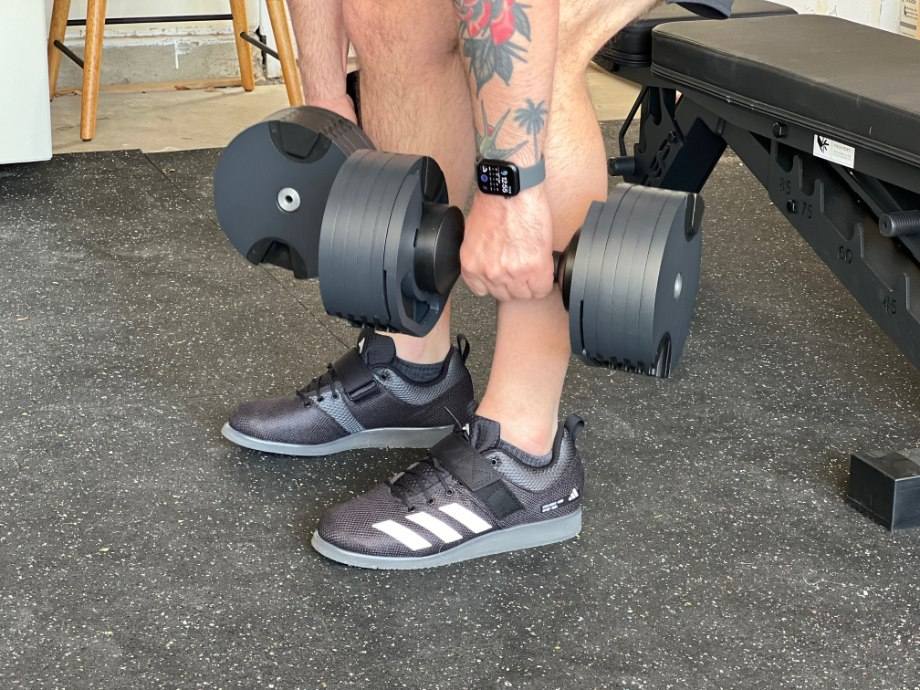
Weightlifting shoes are specifically designed to provide maximum stability during strength training.
Key features include:
Hard, non-compressible sole
Elevated heel (usually 15–22 mm)
Reinforced structure
Midfoot strap for secure lockdown
Unlike running shoes, they are not made for cushioning impact.
They are built to transfer force efficiently.
Why Regular Gym Shoes Are Not Ideal
Most recreational lifters train in soft running shoes or standard training sneakers.
The problem?
Soft soles compress under load.
During squats or other loaded movements:
The sole absorbs part of the force
Stability decreases
Knees and lower back compensate
Instead of transferring force directly from the ground through your body, energy is lost in the cushioning.
This reduces efficiency and consistency.
How Weightlifting Shoes Improve Your Training
1. Better Biomechanics
The elevated heel allows a more upright torso during squats.
This helps to:
Reach proper depth
Reduce lower back compensation
Improve quadriceps engagement
Especially beneficial for people with limited ankle mobility.
2. Greater Stability in Every Repetition
A firm sole creates a stable base.
This results in:
Improved knee alignment
Less forward/backward shifting
More controlled movement
Whether you lift 40 kg or 140 kg, stability always matters.
3. Increased Confidence Under Load
When you feel stable, you train with more confidence.
That means:
Easier progressive overload
More trust in your technique
Consistent long-term development
Confidence under the bar is partly psychological — and stable footwear supports that.
4. Reduced Risk of Overuse Issues
Training on unstable footwear may lead to:
Heels lifting off the ground
Knees collapsing inward
Excess stress on the lower back
Over time, this can slow progress or contribute to discomfort.
Proper weightlifting shoes help maintain better alignment and movement patterns.
Are They Only for Advanced Lifters?
No.
Weightlifting shoes are suitable for:
Recreational gym members
Women training lower body
Bodybuilding programs
Functional strength training
Beginners learning proper squat technique
If resistance training is part of your routine, stable footwear makes sense.
If you train regularly with weights, check out our selection of weightlifting shoes.
How to Choose the Right Model
When selecting weightlifting shoes, look for:
A firm, non-compressible sole
Appropriate heel height
Secure foot lockdown
Durable construction
You can find different models of gym weightlifting shoes suitable for beginners and advanced lifters in our collection.
Several brands offer reliable options for everyday gym use. Among popular choices for a wider fitness audience is the Adidas Powerlift 5, which combines stability and accessibility for regular strength training.
We will review this model in detail in a separate article.
Final Thoughts
If you train with weights regularly, weightlifting shoes are one of the most underrated investments in your training quality.
Not because you are a professional.
But because you want:
Stability
Safer technique
Consistent progress
Long-term development
They are not lifestyle sneakers.
They are tools for strength.
Discover stable and performance-focused lifting shoes for strength training in our online store.
Weightlifting Shoes – Why They Matter for Everyone Training in the Gym
Weightlifting shoes are not only for professionals. Learn how they improve stability, technique and long-term
Mar
Why is it necessary to leave the comfort zone?
“Success is the sum of many small victories and heroic deeds that I repeated day
Jul
Where can I train during the Covid crisis
In these times of Covid crisis, many people ask themselves where can I train .
Jul
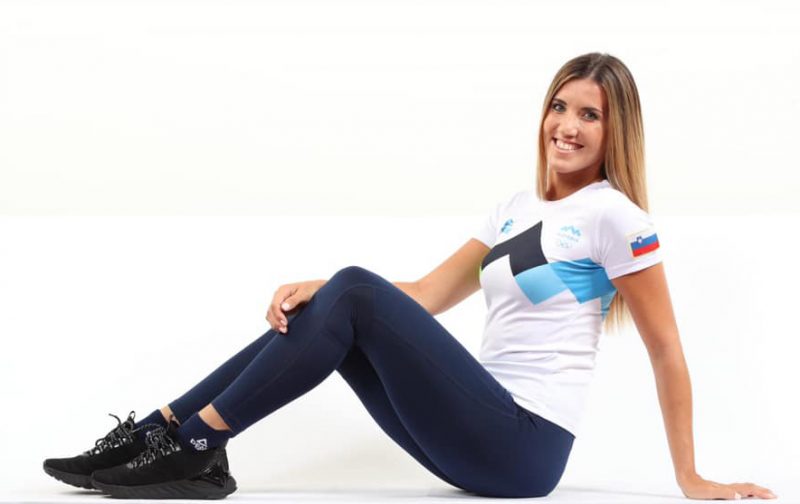
Karate fighter Tjaša Ristić in the semi-finals of the top ten
Karate fighter Tjaša Ristić qualified on November 28, 2020 for the semi-finals of the top
Jul
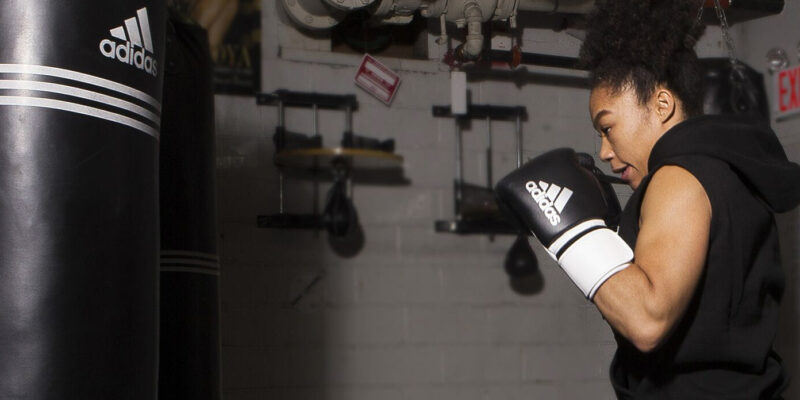
Punching bags are important partner.
Punching bags are important partner. Especially in these winter times, when most sports activities are
Jul